Services
Art Installations,
Pop-Ups & Retail Spaces
DFFF is a London design studio for installation design and fabrication, working internationally. We build custom art installations, centrepieces for pop-ups and brand activations, and window and display pieces for concept stores and retail spaces — for brands, creative agencies, artists and institutions.
A project can start from an idea, or from drawings and concepts you already have. The studio provides technical development, prototyping, fabrication and assembly, and coordinates installation on site within the scope agreed for each project.
Services / 03
Installation Design & Fabrication
Kinetic · interactive · light · sculptural
What you can commission
Custom art installations for galleries, events, public space and brand environments — kinetic, interactive, light-based and sculptural. Either an original design developed by the studio, or the technical realisation of a concept you already hold: a sketch, a model, a render or a written brief.
What DFFF is responsible for
DFFF is responsible for mechanical design, electronics and control software, prototyping, fabrication, assembly and testing in the studio, and installation within the scope agreed for each project. Structures are engineered for the venue, for transport and for hanging safely over people.
Pop-Ups & Brand Activations
Centrepiece installations · displays · interaction
What you can commission
Custom installations for pop-ups, launches and brand activations: the centrepiece of a space, a product display that moves or responds, an interactive experience, or the spatial concept around them. Commission the whole piece or a defined part of a larger production — the core installation, a custom display, or the technical development behind an agency’s concept.
What DFFF is responsible for
DFFF designs and fabricates the installation, builds it modular where dismantling and re-use are part of the brief, and coordinates transport and on-site installation as agreed. For a complete space we define responsibilities with your team at brief stage: DFFF carries the installation; main contractors, structural sign-off and AV supply sit with the partners best placed to hold them.
Concept Stores & Retail Spaces
Windows · installations · custom display
What you can commission
Kinetic window installations, in-store art installations and custom display pieces for concept stores and retail spaces — and, where a brand wants the studio involved earlier, the spatial concept: layout, circulation, and the relationship between material, light and product.
What DFFF is responsible for
DFFF develops the design, engineers and fabricates the installation and display elements, and coordinates delivery on site. Work made for a window or a shop floor is engineered to run unattended and reliably for the length of the show. Full fit-outs are delivered with a main contractor and the client’s structural and services engineers; DFFF’s scope is the design and the pieces it builds.
Relevant work / 03
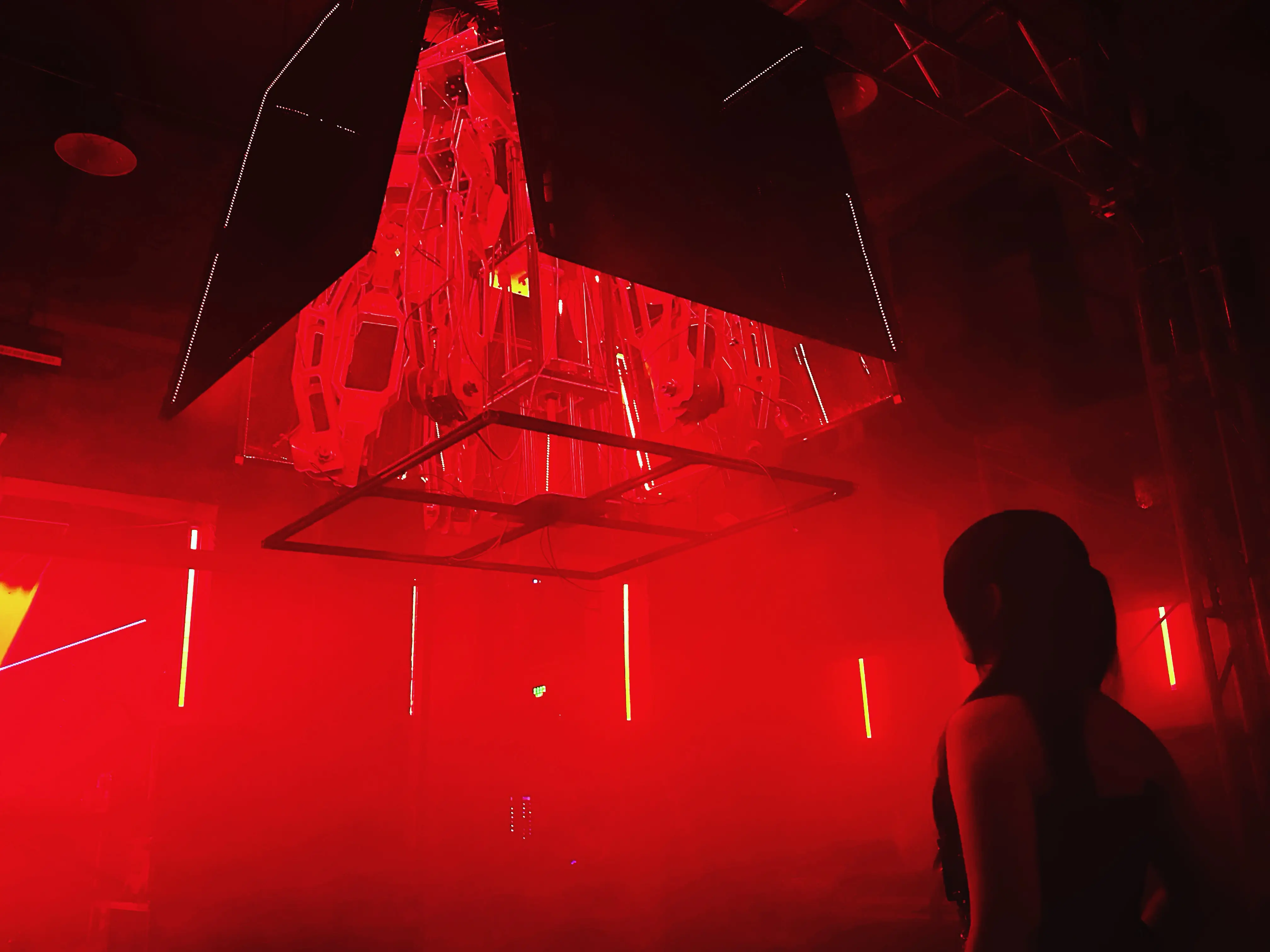
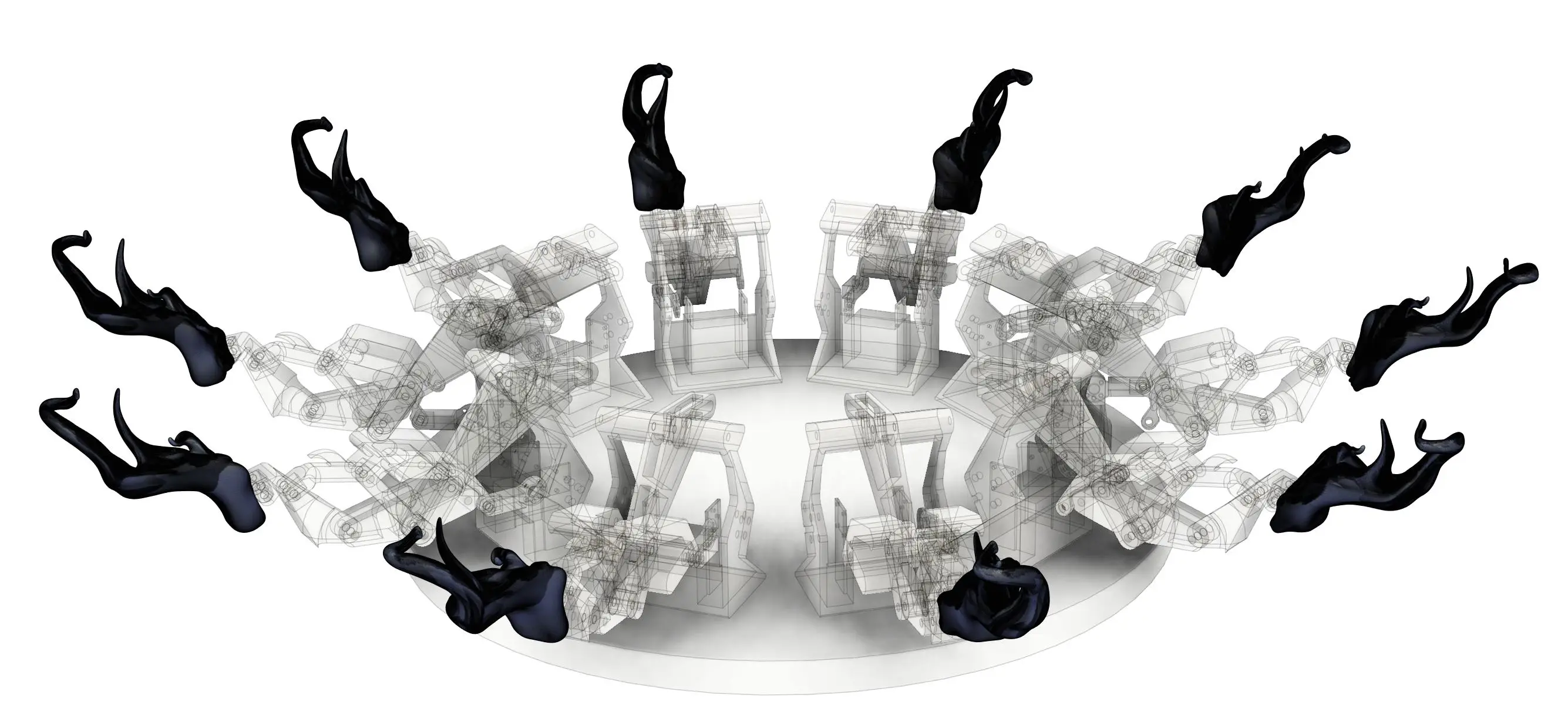
Blackbox
Kinetic mechanisms, control system and lighting; modular structure that dismantles, ships and reassembles; run live on site.
View project →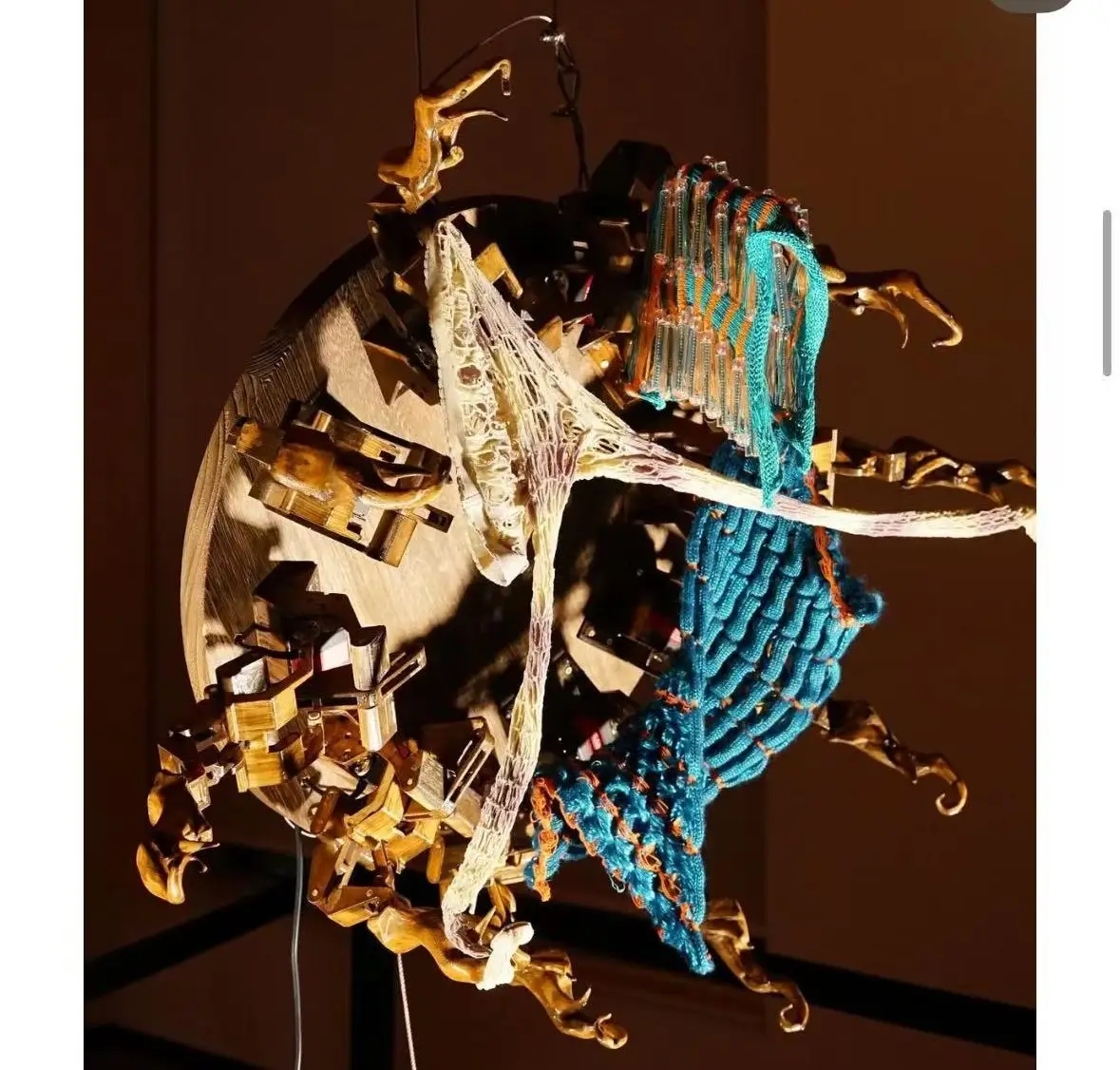
Knitting Echoes
An artist’s concept sketches translated into structure, electronics and a finished kinetic sculpture, shown as a window installation.
View project →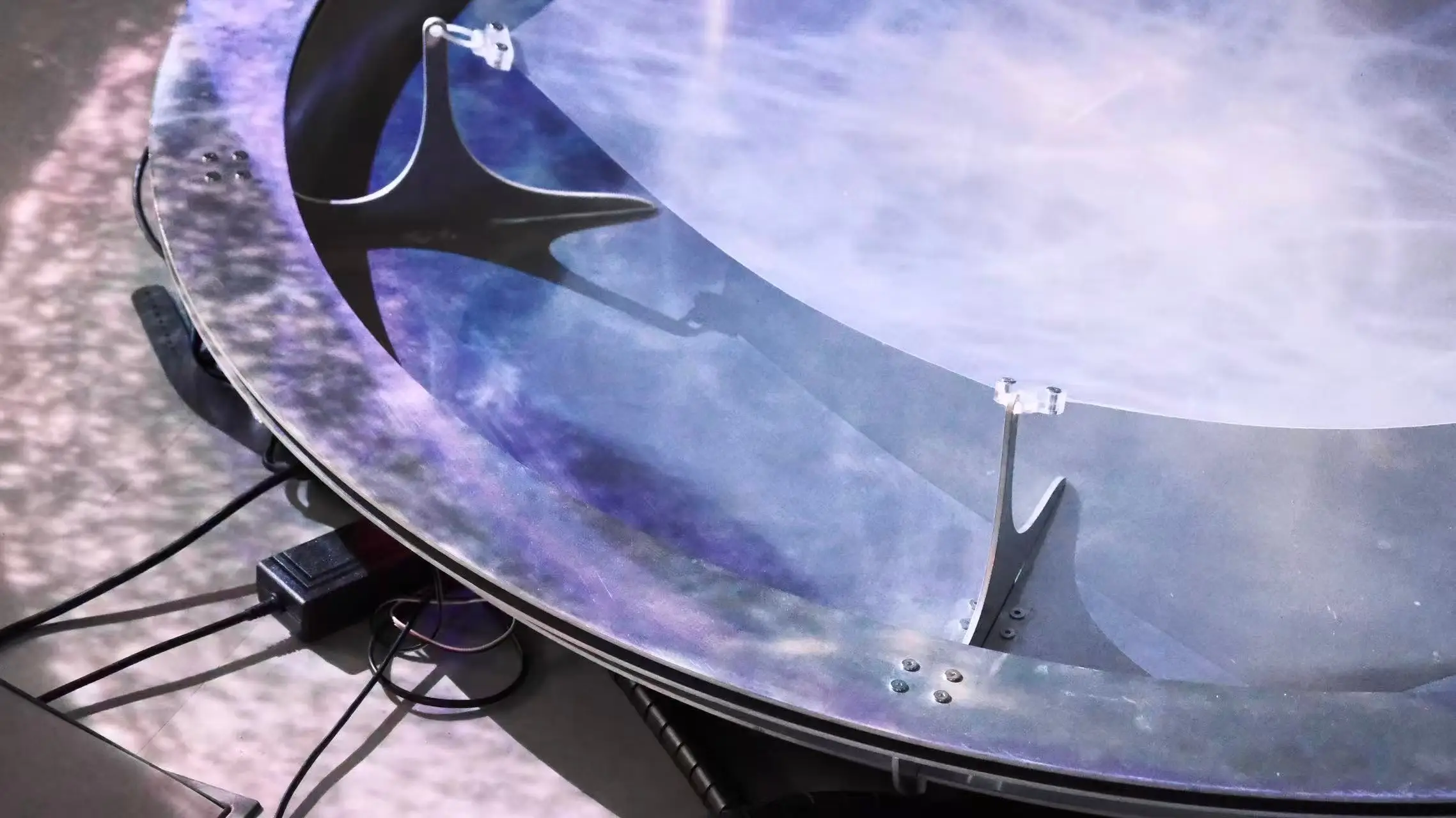
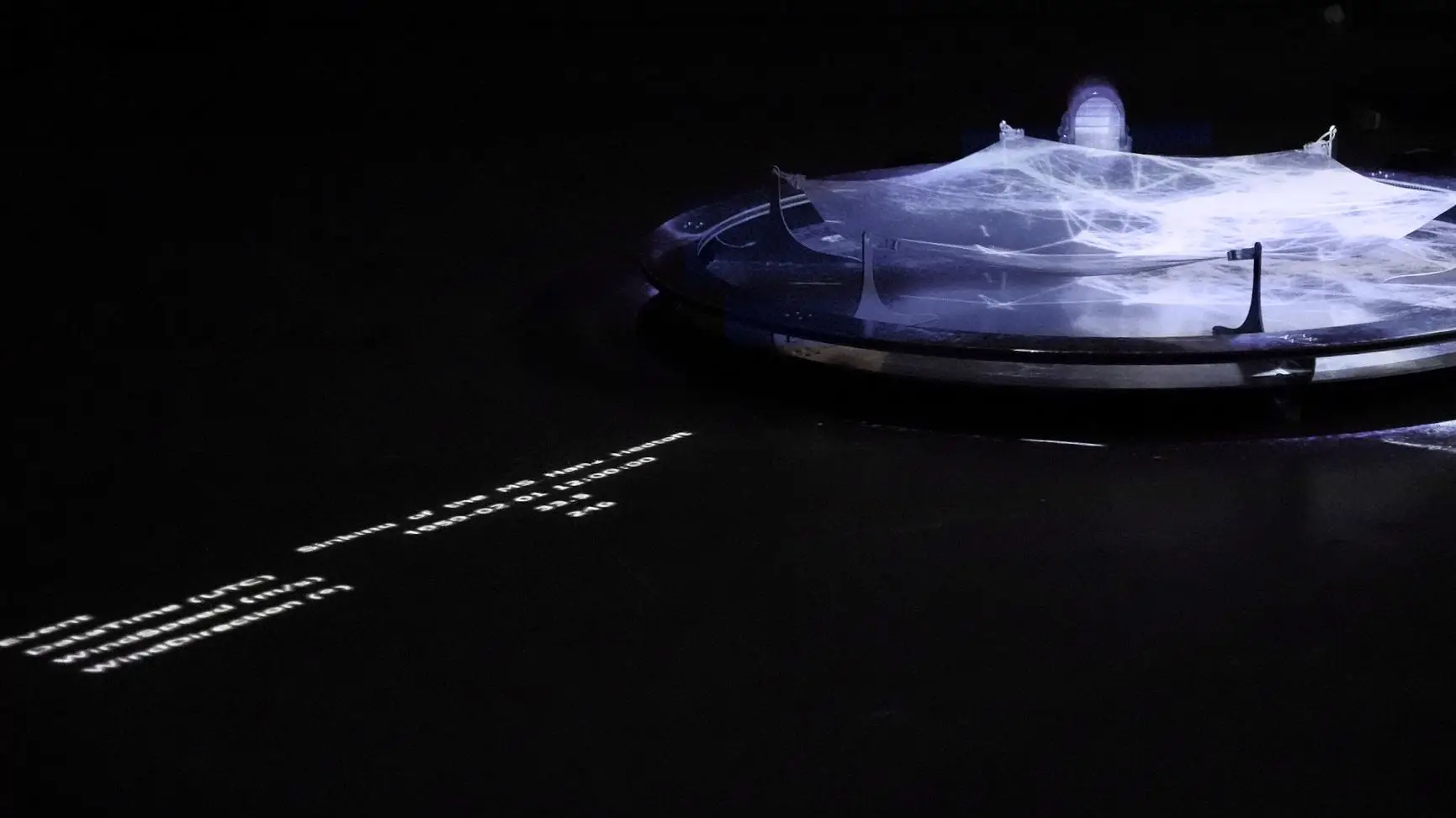
The Dissonance of Wind
Live data, custom software and physical movement combined: a membrane driven in real time by wind measured in Greenland.
View project →Process & making
How we work / 04
- 01Brief & Scope — We start from what exists — a concept, references, a site, a target date and a budget direction — and agree what DFFF is responsible for, what your team or other partners hold, and what a successful outcome looks like.
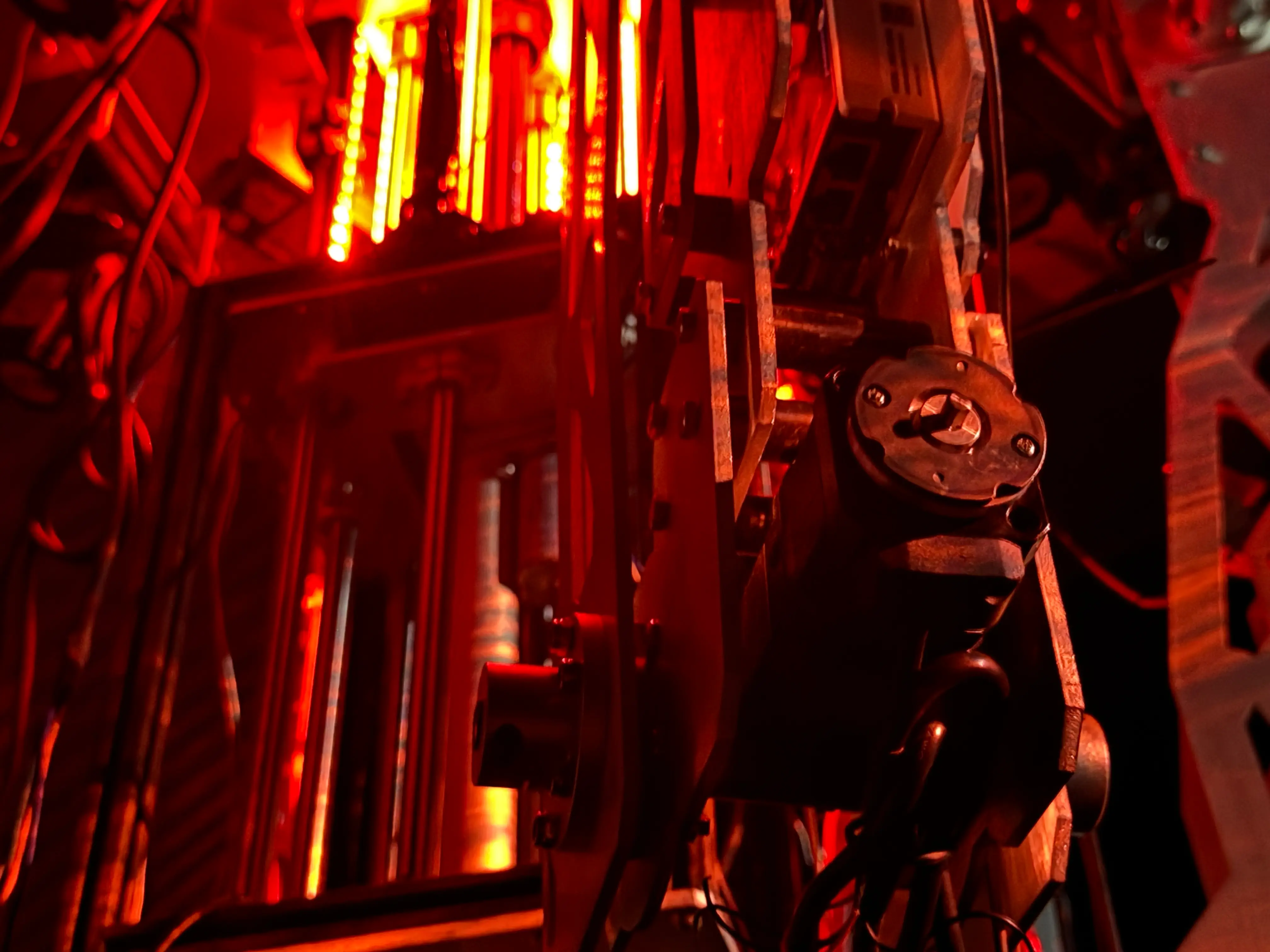
- 02Design & Development — Spatial or installation design, then technical development: mechanics, electronics, control software and materials. The risky parts are prototyped and tested first, so the unknowns are resolved before anything is committed to finished metal.
- 03Fabrication & Testing — Fabrication, wiring, programming and assembly. The work is built and run in the studio, with control systems and pre-assembly tested before it leaves — so what arrives on site is a working piece, not a kit of parts.
- 04Installation & Handover — Installation, commissioning and handover within the scope agreed at the start, coordinated with the venue or the client’s contractors on rigging, power and access. Works built for re-use are documented so they can be dismantled and re-staged.
FAQ / 07
Can you work from an existing concept or drawing?
Yes. Many commissions start with material that already exists — sketches, a physical or digital model, renders, a mood board or a written brief. Knitting Echoes began as drawings by artist Ailin Dong; DFFF worked backwards from them to a buildable structure, developed the electronics and motion system, and fabricated and assembled the finished sculpture. Authorship stays with you; the studio’s work is to make it exist.
Do you offer both design and fabrication?
Yes, and they can be commissioned separately. The studio can carry a project end-to-end — concept, technical development, fabrication and installation — or take on a defined part: developing the mechanics, electronics and software behind someone else’s concept, or fabricating and assembling a design that has already been resolved. Scope is agreed at the brief stage and written down.
Can you create installations for pop-ups and retail spaces?
Yes. For a pop-up, activation or retail space, DFFF typically takes responsibility for the centrepiece installation, kinetic or interactive display pieces, window installations and the technical development behind them, plus transport and installation coordination as agreed. Where the project is a complete space, we work within a team: DFFF is not a main contractor, and structural sign-off, building services and AV supply are held by the appropriate partners.
What information do you need to assess a project?
Enough to picture the work in its space: the concept or references you have, the location and any site drawings or photographs, an approximate size, the target dates, a budget direction, and who else is involved — venue, agency, contractors. None of it needs to be final. A first conversation with this in hand is usually enough for us to say whether the project is a fit and what the next step is.
What affects the cost and lead time?
Size and weight, materials, the amount of mechanical and electronic complexity, and how much custom development or prototyping the piece needs before it can be built. Site conditions matter too — rigging points, power, access and the time available on site. Works built on proven mechanisms move faster than R&D-heavy ones. We do not quote fixed durations for every project; we scope the timeline honestly at the start and flag long-lead items — custom parts, venue approvals — early.
Can installations be dismantled and reused?
Yes, when it is part of the brief. Blackbox hangs from a steel frame carrying interchangeable mechanisms, so it dismantles, ships and reassembles for each space it enters; it has been staged in Beijing and London and rebuilt in 2026 for a new context. A commissioned piece can be designed the same way — modular, packable, re-stageable — if touring or re-use is a requirement from the start. Not every work needs it, and designing for it is a decision we make together early.
Do you work with other contractors or agency teams?
Yes. DFFF works alongside brand-side agencies, curators, venue teams and specialist contractors as a project requires. Design, engineering, fabrication and assembly of the installation are carried out by the studio; interfaces with other parties — main contractor, structural engineer, lighting and AV suppliers — are defined at brief stage so that rigging, power, structural approval and on-site sequencing have a clear owner.
Discuss a project